Wednesday, October 2, 2013

Onabet Cream | Generic Ertaczo | Dosage | Uses | Side effects

Onabet Cream (Generic Ertaczo) - Active Ingredient And Chemical structure

The active ingredient contained in Onabet Cream is Sertaconazole Nitrate. Each gram of Onabet Cream, 2%, contains 17.5 mg of sertaconazole (as Sertaconazole Nitrate, 20 mg) in a white cream base. Benzyl Alcohol is used as the preservative. Sertaconazole Nitrate is a white or almost white powder. It is practically insoluble in water, soluble in methanol, sparingly soluble in alcohol and in methylene chloride. The structure is shown below
Structure Of  Sertaconazole

Generic Forms and Brand names of Ertaczo Cream

Onabet Cream manufactured by Glenmark Pharmaceuticals Ltd, India is an effective treatment for the topical treatment of fungal skin infections such as athlete's foot (tinea pedis) in immunocompetent patients 12 years of age and older. Ertaczo Cream which has the active ingredient Sertaconazole Nitrate is also sold under various other brand names.

Onabet Cream - Preparations

Onabet Cream 2% is available in a tube containing 15 grams of cream.

Onabet Cream - Storage Requirements

Onabet Cream is to be stored at room temperature (below 25°C). Store away from heat, moisture, and light. Do not freeze.

Onabet Cream (Generic Ertaczo) - Uses

Generic Ertaczo (Sertaconazole Nitrate Cream) in the form of Onabet Cream 2% is used for the topical treatment of fungal skin infections such as athlete's foot (tinea pedis) in immunocompetent patients 12 years of age and older, caused by Trichophyton rubrum, Trichophyton mentagrophytes, and Epidermophyton floccosum. Sertaconazole Nitrate also has antibacterial action.

Onabet Cream (Generic Ertaczo) - Dosage

The recommended dosage of Generic Ertaczo Cream for various indications are:
Treatment of Superficial Fungal Infection of the Skin :
In the treatment of superficial fungal infection of the skin Onabet Cream 2%, should be applied twice daily for two weeks.
Treatment of Interdigital Tinea Pedis:
In the treatment of Interdigital Tinea Pedis, Onabet Cream 2%, should be applied twice daily for four weeks. Sufficient Generic Ertaczo Cream, 2%, should be applied to cover both the affected areas between the toes and the immediately surrounding healthy skin of patients with interdigital tinea pedis.

Side Effects Of Onabet Cream (Generic Ertaczo Cream)

The most common side effects of Onabet Cream included minor skin reactions such as contact dermatitis, erythema, pruritus, vesiculation, desquamation, hyperpigmentation, dry skin, burning skin, application site reaction and skin tenderness .

Further Information

Prescribing Information

Monday, March 19, 2012

Predmet Tablets | Generic Medrol | Dosage | Uses | Side effects

Predmet Tablets (Generic Medrol) - Active Ingredient And Chemical structure


The active ingredient contained in Predmet Tablets is Methylprednisolone which is a glucocorticoid. Methylprednisolone is a white, odourless, crystalline powder that is insoluble in water, sparingly soluble in alcohol, slightly soluble in acetone, and in chloroform, and very slightly soluble in ether. The structure is shown below

Structure Of Methylprednisolone


Generic Forms and Brand names of Medrol


Predmet Tablets manufactured by Sun Pharmaceutical Industries Ltd, India is an effective treatment for inflammatory effects in disorders of different parts of the body. Medrol which has the active ingredient Methylprednisolone Sodium Succinate is also sold as Solu-Medrol, Melpred and under various other brand names.


Predmet Tablets - Preparations


Predmet is available as tablets of 4 mg, 8 mg and 16 mg tablets. Each Medrol tablet contains 4 mg 8 mg or 16 mg of methylprednisolone.


Predmet Tablets - Storage Requirements


Predmet Tablets are to be stored at room temperature (15°C to 30°C). Store away from heat, moisture, and light.


Generic Medrol (Methylprednisolone Sodium Succinate) - Uses


Generic Medrol in the form of Predmet Tablets is primarily used to treat inflammatory conditions in various organ systems of the body. It is also used for varrious other indications as detailed below:

Endocrine Disorders: Primary or secondary adrenocortical insufficiency, Congenital adrenal hyperplasia. Nonsuppurative thyroiditis. Hypercalcemia associated with cancer.

Rheumatic Disorders: As adjunctive therapy for short-term administration in: psoriatic arthritis; rheumatoid arthritis, including juvenile rheumatoid arthritis, ankylosing spondylitis;acute and subacute bursitis; acute non specific tenosynovitis; acute gouty arthritis; post-traumatic osteoarthritis; synovitis of osteoarthritis; epicondylitis.

Collagen Diseases: During an exacerbation or as maintenance therapy in selected cases of: systemic lupus erythematosus; systemic dermatomyositis (polymyositis); acute rheumatic carditis; polymyalgia rheumatica; giant cell arteritis.

Dermatologic Diseases: pemphigus; bullous dermatitis herpetiformis; severe erythema multiforme (Stevens-Johnson syndrome); exfoliative dermatitis; mycosis fungoides; severe psoriasis; severe seborrheic dermatitis.

Allergic State: Control of severe of incapacitating allergic conditions intractable to adequate trials of conventional treatment.

Ophthalmic Diseases: Severe acute and chronic allergic and inflammatory processes involving the eye and its adnexa.

Respiratory Diseases: symptomatic sarcoidosis; Loeffler’s syndrome not manageable by other means; berylliosis; fulminating or disseminated pulmonary tuberculosis when used concurrently with appropriate antituberculous chemotherapy; aspiration pneumonitis.

Hematologic Disorders: idiopathic thrombocytopenic purpura in adults; secondary thrombocytopenia in adults; acquired (autoimmune) hemolytic anemia; erythroblastopenia (RBC anemia); congenital (erythroid) hypoplastic anemia.

Neoplastic Disorders: For palliative management of: leukemias and lymphomas in adults; acute leukemia of childhood.

Edematous States: To induce a diuresis or remission of proteinuria in the nephrotic syndrome, without uremia, of the idiopathic type or that due to lupus erythematosus.

Gastrointestinal Diseases: To tide the patient over a critical period of the disease in: ulcerative colitis; regional enteritis.

Nervous System: acute exacerbations of multiple sclerosis; management of edema associated with brain tumour.

Miscellaneous: Tuberculous meningitis with subarachnoid block or impending block when used concurrently with appropriate antituberculous chemotherapy. Trichinosis with neurologic or myocardial involvement.

Organ Transplantation.


Predmet Tablets - Dosage


The initial recommended dosage of Predmet Tablets (methylprednisolone) may vary from 4 to 48 mg per day depending on the specific indication being treated.


Predmet Tablets - Contraindications


Predmet (methylprednisolone) Tablets are contraindicated in patients that have Systemic fungal infections. It is also contraindicated in persons that have a known hypersensitivity to methylprednisolone or any other component of the tablets.


Side Effects Of Predmet Tablets ( Methylprednisolone)


The side effects of Methylprednisolone tablets are given below:

Fluid and Electrolyte Disturbances:


  • Sodium retention

  • Congestive heart failure in susceptible patients

  • Hypertension

  • Fluid retention

  • Potassium loss

  • Hypokalemic alkalosis


Musculoskeletal:


  • Muscle weakness

  • Loss of muscle mass

  • Steroid myopathy

  • Osteoporosis

  • Tendon rupture, particularly of the Achilles tendon

  • Vertebral compression fractures

  • Aseptic necrosis of femoral and humeral heads

  • Pathologic fracture of long bones


Gastrointestinal:


  • Peptic ulcer with possible perforation and hemorrhage

  • Pancreatitis

  • Abdominal distention

  • Ulcerative esophagitis

  • Increases in alanine transaminase (ALT, SGPT), aspartate transaminase (AST, SGOT), and alkaline phosphatase


Dermatologic :


  • Impaired wound healing

  • Petechiae and ecchymoses

  • May suppress reactions to skin tests

  • Thin fragile skin

  • Facial erythema

  • Increased sweating


Neurological:


  • Increased intracranial pressure with papilledema (pseudo-tumor cerebri) usually after treatment

  • Convulsions

  • Vertigo

  • Headache


Endocrine:


  • Development of Cushingoid state

  • Suppression of growth in children

  • Secondary adrenocortical and pituitary unresponsiveness, particularly in times of stress, as in trauma, surgery or illness

  • Menstrual irregularities

  • Decreased carbohydrate tolerance

  • Manifestations of latent diabetes mellitus

  • Increased requirements of insulin or oral hypoglycemic agents in diabetics


Ophthalmic:


  • Posterior subcapsular cataracts

  • Increased intraocular pressure

  • Glaucoma

  • Exophthalmos


Metabolic:


  • Negative nitrogen balance due to protein catabolism


Further Information


Prescribing Information

Thursday, January 26, 2012

Lametec Tablets | Generic Lamictal | Lamotrigine | Dosage | Uses | Side effects

Lametec Tablets (Generic Lamictal) - Active Ingredient And Chemical structure

The active ingredient contained in Lametec Tablets is Lamotrigine. Lamotrigine is a white to pale cream-colored powder and is very slightly soluble in water (0.17 mg/mL at 25°C) and slightly soluble in 0.1 M HCl. The structure is shown below
Structure Of Lamotrigine


Generic Forms and Brand names of Lamictal

Lametec Tablets manufactured by Cipla Ltd., India is an effective treatment for Epilepsy adjunctive and mono therapy, generalized seizures of Lennox-Gastaut syndrome and Bipolar Disorder. Generic Lamictal which has the active ingredient Lamotrigine is also sold under various other brand names.


Lamictal Tablets (Lamotrigine) - Uses

Lamotrigine, an antiepileptic drug (AED) in the form of Lametec Tablets is used to treat the following indications:
Epilepsy-adjunctive therapy in patients 2 years of age or more:
partial seizures.
primary generalized tonic-clonic seizures.
generalized seizures of Lennox-Gastaut syndrome.

Epilepsy—monotherapy in patients 16 years of age or greater:
conversion to monotherapy in patients with partial seizures who are receiving treatment with carbamazepine, phenobarbital, phenytoin, primidone, or valproate as the single AED.

Bipolar Disorder in patients 18 years of age and above:
maintenance treatment of Bipolar I Disorder to delay the time to occurrence of mood episodes in patients treated for acute mood episodes with standard therapy.


Lametec Tablets (Generic Lamictal) - Preparations

Lametec is available as tablets of 25 mg, 50 mg and 100 mg .Each dispersible tablet contains Lamotrigine 25 mg, 50 mg and 100 mg respectively.


Lametec Tablets - Storage Requirements

Lametec Tablets are to be stored at room temperature (15°C to 30°C). Store away from heat, moisture, and light.


Lametec Tablets (Lamotrigine) - Mechanism of Action

The exact ways by which lamotrigine (Lametec Tablets) exerts its anticonvulsant action are unknown. In animal models that were designed to detect anticonvulsant activity, lamotrigine was effective in preventing seizure spread in the maximum electroshock (MES) and pentylenetetrazol (scMet) tests, and prevented seizures in the visually and electrically evoked after-discharge (EEAD) tests for antiepileptic activity.


Lametec Tablets (Lamotrigine) - Dosage

The Dosage for Lametec Tablets is based on concomitant medications, indication, and the age of the patient. To avoid an increased risk of rash, the recommended initial dose and subsequent dose escalations should not be exceeded. Lametec (Lamotrigine) Tablets should be swallowed with water.

Monotherapy with Lametec in patients 16 years of age or more:

Lametec is to be titrated to the targeted dose of 50 mg/day while maintaining the dose of the enzyme-inducing antiepileptic drugs(EIAEDs) at a fixed level. The EIAEDs are then gradually withdrawn over a period of 4 weeks.Recommended maintenance dose of Lametec DT as monotherapy is 500 mg/day given in two divided doses.
Bipolar Disorder:
The recommended initial adult dosage of Lametec DT is 25 mg once daily for 2 weeks, followed by 50 mg once daily for 2 weeks.
The recommended adult (over 12 years) dosage for lametec (mg/day) is given below


 Weeks 1 & 2Weeks 3 & 4Usual Maintenance Dose
With enzyme-inducing antiepileptic drugs(EIAEDs) & No Valproic acid (VPA)50mg/day (Once a day) 100mg/day (Two divided doses) 300mg to 500mg/day (Two divided doses). To achieve maintenence doses may be incresed by 100mg/day every 1-2 weeks
EIAEDs & Valproic acid (VPA) 25 mg every other day 25mg (Once a day) 100mg to 400mg/day (Two divided doses). To achieve maintenence doses may be incresed by 25 mg - 50mg/day every 1-2 weeks
As there exists a risk of rash the initial dose and subsequent dose escalation should not be exceeded.

The recommended dose escalation for lamotrigine (lametec) for children aged 2-12 years (total daily dose in mg/kg body weight/day) on combined drug therapy is given below.

  Weeks 1 & 2 Weeks 3 & Usual Maintenance Dose
With AED regimen containing VPA 0.15mg/kg/day (1 or 2 divided doses) 0.3mg/kg/day (1 or 2 divided doses) 1mg - 5mg/kg/day (Maximum 200mg/day in One or Two divided doses)To achieve maintenence doses may be incresed by 0.5 - 1mg/kg/day every 1-2 weeks
Added to EIAEDs and wirhout VPA 0.6mg/kg/day (2 divided doses) 1.2mg/kg/day (2 divided doses) 5mg - 15mg/kg/day (Maximum 400mg/day in One or Two divided doses)To achieve maintenence doses may be incresed by 2 - 3mg/kg/day every 1-2 weeks
After initial 4 weeks of therapy, the daily dosage of Lametec DT may be doubled at weekly intervals until an effective maintenance dosage of 200 mg daily is reached. The daily dosages should not exceed 200 mg daily.


Lametec DT Tablets - Contraindications

Lametec DT Tablets are contraindicated in patients who have demonstrated hypersensitivity to Lamotrigine or any inactive ingredient present in the medicine.


Side Effects Of Lametec DT Tablets (Generic Lamictal or Lamotrigine)

The common adverse effects (incidence 10% or greater) of Lamotrigine (Lametec DT Tablets) in adult epilepsy clinical studies were dizziness, headache, diplopia, ataxia, nausea, blurred vision, somnolence, rhinitis, and rash.
Additional adverse reactions (incidence 10% or greater) reported in children in epilepsy clinical studies included vomiting, infection, fever, accidental injury, pharyngitis, abdominal pain, and tremor. Most common adverse effects with an incidence rate 5% or more in adult bipolar clinical studies were nausea, insomnia, somnolence, back pain, fatigue, rash, rhinitis, abdominal pain, and xerostomia.


Further Information

Prescribing Information

Monday, January 16, 2012

Chloromycetin Aplicaps | Chloramphenicol Eye Ointment | Dosage | Uses | Side effects

Chloromycetin Aplicaps (Chloramphenicol Eye Ointment) - Active Ingredient And Chemical structure

The active ingredient contained in Chloromycetin Aplicaps is Chloramphenicol. Chloramphenicol is a white to greyish-white or yellowish-white, fine crystalline powder or fine crystals, needles or elongated plates. It is soluble to the extent of 1 in 400 of water, 1 in 2.5 of alcohol, and 1 in 7 of propylene glycol; freely soluble in acetone and ethyl acetate; slightly soluble in ether. The structure is shown below
Structure Of Chloramphenicol


Chloromycetin Aplicaps (Chloramphenicol Eye Ointment) - Uses

Chloramphenicol Eye Ointment in the form of Chloromycetin is a topical antibiotic preparation for the treatment of bacterial conjunctivitis.


Generic Forms and Brand names of Chloramphenicol Eye Ointment

Chloromycetin Aplicaps manufactured by Pfizer Ltd., India is an effective treatment for Ocular bacterial infections caused by organisms susceptible to chloramphenicol.


Chloromycetin Aplicaps - Preparations

Chloromycetin is available as aplicaps of 250 mg. Each Aplicap contains 250 mg of chloramphenicol eye ointment I.P. (1%) in an oleaginous ointment base.


Chloromycetin Aplicaps (Chloramphenicol Eye Ointment) - Storage Requirements

Chloromycetin Aplicaps are to be stored at room temperature (15°C to 30°C). Store away from heat, moisture, and light.


Chloromycetin Aplicaps (Chloramphenicol Eye Ointment) - Dosage

To use Chloramphenicol Eye Ointment , wipe the tip of the the aplicap with alcohol, cut the end with a clean instrument and compress the body to squeeze out the contents. Apply the Chloramphenicol Eye ointment, to the affected eye by placing in the lower conjunctival sac every 3 hours or more frequently if necessary. Continue administration day and night for the first 48 hours, at which time the frequency of application can be decreased. Treatment should be continued for at least 48 hours after the eye appears normal.


Chloromycetin Aplicaps (Chloramphenicol Eye Ointment) - Contraindications

Chloromycetin Aplicaps eye ointment is contraindicated in individuals with a history of hypersensitivity and/or toxic reaction to chloramphenicol or any inactive ingredient present in the medication.


Side Effects Of Chloromycetin Aplicaps (Chloramphenicol Eye Ointment)

Blood dyscrasias have been reported in association with the use of Chloromycetin Aplicaps. Chloramphenicol is absorbed systemically from the eye, and toxicity has been reported following chronic exposure. Dose-related toxicity following a single ocular exposure is unlikely.The most common side effects with Chloramphenicol Eye Ointment are Local irritation which includes subjective symptoms of itching or burning.
More Serious side effects such as angioneurotic oedema, anaphylaxis, urticaria, fever, vesicular and maculopapular dermatitis have been reported in patients sensitive to chloramphenicol. Discontinue promptly if any serious side effects occur.


Further Information

Prescribing Information

Monday, January 9, 2012

Nicotex Chewing Gum | Generic Nicorette | Dosage | Uses | Side effects

Nicotex Chewing Gum (Generic Nicorette) - Active Ingredient And Chemical structure

Nicotex Chewing Gum is designed to provide partial substitution for the nicotine in cigarette smoke, which is believed to be one of the principal factors in the prolonging the smoking habit. Nicotex Gum is intended to cushion the patients against the trauma of withdrawal. The active ingredient contained in is Nicotine Polacrilex . The structure is shown below
Structure Of Nicotine


Nicotex Chewing Gum (Nicotine Gum) - Uses

Nicotine Gum in the form of Generic Nicorette Gum is used as an aid for for smoking cessation therapy. Nicotex Chewing Gum reduces withdrawal symptoms, including nicotine craving, associated with quitting smoking.


Generic Forms and Brand names of Nicotine Chewing Gum

Nicotex Chewing Gum manufactured by Cipla Ltd., India is an effective treatment aid in nicotine replacement therapy (NRT), a process which helps smokers quit smoking tobacco. Nicorette which has the active ingredient Nicotine Polacrilex is also sold as Nicoderm, Nicogum, Nicotex and Nicotinell.


Nicotex Chewing Gum - Preparations

Nicotex Gum is available as packs of 10 gum pieces. Each piece of Nicotex Chewing Gum contains either 2 mg or 4 mg of Nicotine polacrilex.


Nicotex Chewing Gum - Storage Requirements

Nicotex Chewing Gum is to be stored at room temperature (15°C to 30°C). Store away from heat, moisture, and light.


Nicotex Chewing Gum (Nicotine Gum)- Dosage

The dosing schedule is given below: Patients smoking 25 or more cigarettes a day, have to use 4 mg nicotine gum whereas patients that were smoking less than 25 cigarettes a day, should use 2 mg nicotine gum. Nicotex Chewing Gum has to be used as per the following 12-week schedule:
Weeks 1-6: One piece of gum every 1-2 hours
Weeks 7-9: One piece of gum every 2-4 hours
Weeks 10-12: One piece of gum every 4-8 hours. Do not use more than 24 pieces of Nicotex gum a day.


How To Use Nicotex Chewing Gum (Generic Nicorette) For Maximum Benefit

Each gum piece of gum has to be chewed very slowly several times.Stop chewing Nicotex Chewing Gum when you get a peppery taste or a slight tingling in the mouth. This usually happens after about 1 minute or 15 chews, but may vary from person to person. Shift the chewing gum to one corner or side of your mouth, and leave it there.
When the peppery taste or tingle is almost gone (in about a minute), again start chewing the gum piece slowly. Stop when the taste or tingle returns and shift the gum to a different place in your mouth every time. Repeat the chewing and shifting process of the gum till most of the nicotine is gone from the Nicotex Chewing Gum. This usually happens in about 30 minutes and the peppery taste or tingle will not return.


Nicotex Chewing Gum (Generic Nicorette) - Contraindications

Nicotex Chewing Gum is contraindicated in patients with a hypersensitivity to nicotine polacrilex or any other inactive ingredients present in the chewing gum. Nicotex Chewing Gum is also contraindicated in pregnancy because of well known adverse effect of nicotine on the fetus. Generic Nicorette is also contraindicated in breast feeding mothers, as nicotine is excreted in breast milk.


Side Effects Of Nicotex Chewing Gum (Generic Nicorette)

The most common side effects of Nicotex Chewing Gum, usually in the early days of treatment are apthous ulcers, throat irritation, excessive salivation and hiccups. These symptoms are usually more frequent and severe with the 4 mg gums than the 2 mg version.
Excessive weight gain is sometimes associated with abstention of smoking. Hence, a patient on Nicorette therapy has to be weighed at regular intervals, and if required suitable modifications in diet should be done.

Thursday, January 5, 2012

Duovir-N Tablets | Dosage | Uses | Side effects

Duovir-N Tablets - Active Ingredient And Product Information

Duovir-N Tablets are a combination of three drugs namely zidovudine, lamivudine and Nevirapine that are commonly used in the management of the Human Immunodeficiency Virus (HIV) infection. Zidovudine and lamivudine belong to the nucleoside analogue class of antiretroviral drugs which act by terminating the growth of the DNA chain and inhibiting the reverse transcriptase (RT) of HIV. Nevirapine is a non-nucleoside reverse transcriptase inhibitor (NNRTI). It acts by directly inhibiting Reverse Transcriptase.
The active ingredients contained in Duovir-N Tablets is zidovudine, lamivudine and Nevirapine.


Duovir-N Preparations

Duovir-N is available as tablets which have a combination of three drugs Lamivudine, Zidovudine and Nevirapine . Each film coated tablet contains Lamivudine 150 mg, Zidovudine 300 mg BP and Nevirapine 200 mg


Duovir-N - Storage Requirements

Duovir-N are to be stored at room temperature (15°C to 30°C). Store away from heat, moisture, and light.


Duovir-N - Uses

Duovir-N Tablets are used for the treatment of HIV infection, once patients have been stabilized on the maintenance regimen of nevirapine 200 mg twice a day, and have demonstrated adequate tolerability to nevirapine.


Duovir-N - Dosage

The recommended adult dosage of Duovir-N is One tablet twice daily.


Duovir-N - Contraindications

Duovir-N Tablets are contraindicated in patients with previously demonstrated clinically significant hypersensitivity (eg, anaphylaxis, Stevens-Johnson syndrome) to zidovudine, lamivudine and Nevirapine or any inactive components of the product. It is also contraindicated in patients with moderate or severe (Childs Pugh Class B or C, respectively) hepatic impairment.


Duovir-N - Warnings and Precautions

Hepatotoxicity and Hepatic Impairment
Severe, life threatening and, in some cases, fatal hepatotoxicity, including fulminant and cholestatic hepatitis, hepatic necrosis and hepatic failure, have been reported in patients treated with nevirapine.
Skin Reactions
Severe and life-threatening skin reactions, including fatal cases, have been reported with nevirapine treatment, occurring most frequently during the first 6 weeks of therapy. These have included cases of Stevens-Johnson syndrome, toxic epidermal necrolysis and hypersensitivity reactions characterized by rash, constitutional findings and organ dysfunction, including hepatic failure.
Resistance
Nevirapine must not be used as a single agent to treat HIV or added on as a sole agent to a failing regimen. As with all other NNRTIs, resistant virus emerges rapidly when nevirapine is administered as monotherapy.
Immune Reconstitution Syndrome
Immune reconstitution syndrome has been reported in patients treated with combination antiretroviral therapy, including lamivudine, zidovudine and nevirapine. During the initial phase of combination antiretroviral treatment, patients whose immune system responds may develop an inflammatory response to indolent or residual opportunistic infections.


Side Effects Of Duovir-N

The most common side effects of Duovir-N are
Body as a Whole
Headache ,Malaise and fatigue, Fever or chills
Digestive
Nausea, Diarrhea, Nausea and vomiting, Anorexia and/or decreased appetite, Abdominal pain, Abdominal cramps, Dyspepsia
Nervous System
Neuropathy, Insomnia and other sleep disorders, Dizziness, Depressive disorders
Respiratory
Nasal signs and symptoms, Cough
Skin
Skin rashes
Musculoskeletal
Musculoskeletal pain, Myalgia, Arthralgia


Further Information

Prescribing Information

Wednesday, January 4, 2012

Cobese Capsules | Generic Xenical | Dosage | Uses | Side effects

Cobese Capsules (Generic Xenical) - Active Ingredient And Chemical structure

The active ingredient contained in Cobese Tablets is Orlistat. Orlistat is a white to off-white crystalline powder. Orlistat is practically insoluble in water, freely soluble in chloroform, and very soluble in methanol and ethanol. Orlistat is a lipase inhibitor which is used for obesity management. It acts by inhibiting the absorption of dietary fats. The structure is shown below
Structure Of Orlistat


Cobese Capsules (Generic Xenical) - Uses


Generic Xenical in the form of Cobese Capsules is used for obesity management including weight loss and weight maintenance when used in conjunction with a reduced-calorie diet.
Generic Xenical is also used to reduce the risk for regaining weight after prior weight loss. Generic Xenical is indicated for obese patients with an initial body mass index (BMI) of greater than or equal to 30 kg/m2 or greater than or equal to 27 kg/m2 in the presence of other risk factors (eg, hypertension, diabetes, dyslipidemia).


Generic Forms and Brand names of Xenical

Cobese manufactured by Rambaxy Laboratories Ltd., India is an effective treatment for persons suffering from obesity, in its ability to manage adiposis in adult and adolescent patients. Xenical which has the active ingredient Orlistat is also sold as Alli, Orlimac, Vyfat, Orlistat and under various other brand names.


Cobese Capsules (Generic Xenical) - Preparations

Cobese is available as Capsules of 120 mg. Each capsule of Generic Xenical contains a pellet formulation consisting of 120 mg of the active ingredient, orlistat, as well as the inactive ingredients.


Cobese Capsules (Generic Xenical) - Storage Requirements

Cobese Capsules are to be stored at room temperature (15°C to 30°C). Store away from heat, moisture, and light.


Cobese Capsules (Generic Xenical) - Dosage

The recommended dose of Generic Xenical is one 120 mg capsule three times a day with each main meal containing fat to be taken during or up to 1 hour after the meal. In case a meal is occasionally missed or contains no fat, the dose of Cobese can be omitted.


Cobese Capsules (Generic Xenical) - Contraindications

Cobese Capsules (Generic Xenical) is contraindicated in patients with chronic malabsorption syndrome or cholestasis, and in patients with known hypersensitivity to Orlistat or to any inactive component of this product.


Generic Xenical (Cobese Capsules) - Overdosage

Single doses of 800 mg of Orlistat (Generic Xenical) and multiple doses of up to 400 mg three times a day for 15 days have been studied in normal weight and obese subjects without significant adverse findings.


Side Effects Of Cobese Capsules (Generic Xenical)

The most common side effects of Cobese Capsules (Generic Xenical) are Oily Spotting, Flatus with Discharge, Fecal Urgency, Fatty/Oily Stool, Oily Evacuation, Increased Defecation and Fecal Incontinence.


Further Information

Prescribing Information

Tuesday, January 3, 2012

Champix Tablets | Varenicline Tartrate | Dosage | Uses | Side effects

Champix Tablets (Varenicline Tartrate) - Active Ingredient And Chemical structure

The active ingredient contained in Champix Tablets is varenicline tartrate. The structure is shown below

Structure Of  Varenicline Tartrate


Champix Tablets (Varenicline Tartrate) - Uses

Varenicline Tartrate in the form of Champix Tablets is used to relieve the craving and withdrawal symptoms associated with stopping smoking.


Generic Forms and Brand names of Champix Tablets (Varenicline Tartrate)

Champix Tablets manufactured by Pfizer, India is an effective treatment for help to relieve the craving and withdrawal symptoms associated with stopping smoking. Champix which has the active ingredient varenicline tartrate is also sold as Chantix and under various other brand names.


Champix Tablets - Preparations

Champix Tablets is available as tablets of 0.5 mg and 1 mg.


Champix Tablets - Storage Requirements

Champix Tablets (Varenicline Tartrate) are to be stored at room temperature (15°C to 30°C). Store away from heat, moisture, and light.


Champix Tablets Dosage

Day 1 - 3
Take one white Champix 0.5 mg tablet once a day.

Day 4 - 7
Take one white Champix 0.5 mg tablet twice a day, once in the morning and once in the evening, at about the same time each day.

Week 2 (day 8) to the end of treatment: There are two dosing options

Day 8 to end of treatment 0.5 mg twice a day: Continue to take one white Champix 0.5 mg pill in the morning, and one in the evening, at about the same time each day

OR

1.0 mg twice a day

Day 8 to end of treatment

1.0 mg twice a day: Take one light blue CHAMPIX 1.0 mg pill in the morning, and one in the evening, at about the
same time each day


Champix Tablets - Warnings and Precautions

In case you develop any of the below mentioned while undergoing Champix therapy, call your doctor right away:

thoughts about suicide or dying, or attempts to commit suicide
new or worse depression, anxiety or panic attacks
feeling very agitated or restless
acting aggressive, being angry, or violent
acting on dangerous impulses
an extreme increase in activity and talking (mania)
abnormal thoughts or sensations
seeing or hearing things that are not there(hallucinations)
feeling people are against you (paranoia)
feeling confused
other unusual changes in behavior

Tell your doctor if you take: Insulin, Asthma medicines (theophylline) or Blood thinner (warfarin)

An adjustment of the dose of these medicines may be necessary once you are smoke-free.


Champix Tablets - Contraindications

Champix Tablets is contraindicated in individuals with hypersensitivity to varenicline tartrate or any of the other ingredients of the medication.
In Persons using nicotine replacement therapy, such as patches, gum or inhaler.
The combination of Champix Tablets and nicotine replacement therapy is not expected to improve your chances of quitting, and may result in more side effects than with Champix Tablets alone.


Side Effects Of Champix Tablets

Like all medicines, Champix Tablets can cause side effects, although all persons will not get them.The most common side effects of are Nausea, vomiting, Trouble sleeping, Headache, Abnormal dreams (vivid, unusual, or increased dreaming; rarely may include nightmares), Sleepiness, tiredness, dizziness, Constipation, diarrhea, gas.


Further Information

Prescribing Information

A-Ret Gel | Generic Retin-A Cream | Dosage | Uses | Side effects

A-Ret Gel (Generic Retin-A Cream) - Active Ingredient And Chemical structure

The active ingredient contained in A-Ret Gel (Generic Tretinoin Cream) is tretinoin also known as retinoic acid or vitamin A acid in either of two strengths, 0.025% or 0.05% or 0.1% by weight. It is a member of retinoid family of compounds. The structure is shown below

Structure Of Tretinoin


A-Ret Gel ( Generic Retin-A Cream) - Uses

Generic Retin-A Cream in the form of A-Ret Gel is used for the topical application in the treatment of acne vulgaris and on skin that has been damaged by excessive exposure to the sun.


Generic Forms and Brand names of Retin-A Cream

A-Ret Gel manufactured by Shalaks Pharmaceuticals Pvt. Ltd., India is an effective treatment for Acne vulgaris, Photoaging and Melasma. Retin-A Cream which has the active ingredient Tretinoin is also sold as Generic Tretinoin Cream, Retino-A Cream, Renova, Aberela, Avita, Airol, Atralin, Stieva-A, Vesanoid and under various other brand names.


A-Ret Gel - Preparations

A-Ret Gel is available as 20 grams tubes of 0.025% or 0.05% or 0.1% strengths .


A-Ret Gel (Generic Retin-A Cream) - Storage Requirements

A-Ret Gel is to be stored at room temperature (15°C to 30°C). Store away from heat, moisture, and light.


A-Ret Gel (Generic Retin-A Cream) - Dosage

A-Ret Gel should be applied once a day, before bedtime, or as directed by your physician. to the skin where acne lesions appear, using enough to cover the entire affected area lightly. Excessive application of gel results in “pilling” of the gel, which minimizes the likelihood of over application by the patient.
Application may cause a transitory feeling of warmth or slight stinging. In cases where it has been necessary to temporarily discontinue therapy or to reduce the frequency of application, therapy may be resumed or frequency of application increased when the patients become able to tolerate the treatment.
Therapeutic results should be noticed after two to three weeks but more than six weeks of therapy may be required before definite beneficial effects are seen.
Squeeze about a half inch or less of medication onto the fingertip. After you gain some experience with A-Ret Gel you may find you need slightly more or less to do the job. The medication should become invisible almost immediately.
If it is still visible, or if dry flaking occurs from the gel within a minute or so, you are using too much. Cover the affected area lightly with A-Ret Gel (tretinoin) by first dabbing it on your forehead, chin and both cheeks, then spreading it over the entire affected area. Smooth gently into the skin.


A-Ret Gel (Generic Retin-A Cream) - Overdose

If A-Ret Gel is applied excessively, rapid or better results will be not be obtained. However marked redness, peeling, or discomfort may occur. Oral ingestion of Generic Retin-A Cream may lead to the same side effects as those associated with excessive oral intake of Vitamin A.


A-Ret Gel (Generic Retin-A Cream) - Contraindications

A-Ret Gel is contraindicated in patients that have a hypersensitivity to Tretinoin or any inactive ingredient present in A-Ret Gel.


Side Effects Of A-Ret Gel (Generic Retin-A Cream)

The most common side effects of A-Ret Gel which may occur in certain sensitive individuals is that the skin may become excessively red, edematous, blistered, or crusted.
If these effects occur, the medication should either be discontinued until the integrity of the skin is restored, or the medication should be adjusted to a level the patient can tolerate. True contact allergy to topical tretinoin is rarely encountered. Hyper- or hypopigmentation of a Temporary nature has been reported with repeated application of Generic Retin-A Cream.
Some individuals have been reported to have heightened susceptibility to sunlight while under treatment with A-Ret Gel. To date, all adverse effects of A-Ret Gel have been reversible upon discontinuance of therapy


Further Information

Prescribing Information

Saturday, December 31, 2011

Melalite Cream | Generic Aclaro | Dosage | Uses | Side effects

Melalite Cream (Generic Aclaro) - Active Ingredient And Chemical structure

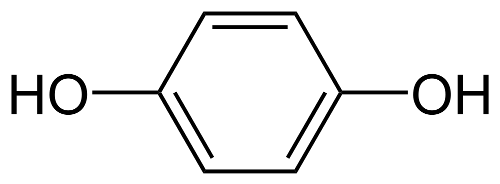
The active ingredient contained in Melalite Cream is Hydroquinone USP 4% . Hydroquinone occurs as fine white needles. This medication is freely soluble in water and alcohol. The structure is shown below

Structure Of Hydroquinone


Generic Forms and Brand names of Aclaro

Melalite Cream manufactured by Abbott India Ltd., is an effective treatment to lighten areas of darkened skin such as freckles, age spots, chloasma, and melasma (dark skin discoloration).
Aclaro which has the active ingredient Hydroquinone is also sold as Hydroquinone Topical Cream, Alera, Alphaquin HP, Alustra, Claripel, Eldopaque, Eldoquin, Eldoquin Forte, EpiQuin Micro, Esoterica, Glyquin, Glyquin-XM, Hydroquinone cream, Lustra, Melpaque HP, Melquin HP, Melquin-3, Nuquin HP, Solaquin, Melanex, Melanol, Viquin Forte, Esoterica Sensitive Skin, Nava-SC, Remergent HQ, EpiQuin Micro Pump and under various other brand names.


Melalite Cream (Generic Aclaro) - Uses

Melalite Cream (Hydroquinone Topical Cream) in the form of Melalite Cream is used for the gradual treatment of ultraviolet induced dyschromia and discolation resulting from the use of oral contraceptives, pregnancy, hormone replacement therapy or skin trauma.


Melalite Cream - Preparations

Melalite Cream is available as tubes of 30 grams of cream. The strength is 4 %w/w.


Melalite Cream - Contraindications

Melalite Cream is contraindicated in persons that have a hypersensitivity or allergic reaction to Hydroquinone or any inactive ingredient present in the medication.


Melalite Cream - Warnings

The active ingredient present in Melalite Cream is a depigmenting agent which may produce unwanted cosmetic effects if not used as directed. Skin sensitivity has to be tested before using Melalite Cream by appling a small amount to an unbroken patch of skin and checking it within 24 hours. In case there is itching, vescile formation, or exessive inflammatory response further treatment is not advised. Contact with eyes should be avoided. If no lightening effect is observed after two months of treatment use of Melalite cream should be avoided.


Melalite Cream (Generic Aclaro) - Storage Requirements

Melalite Cream (Generic Aclaro) are to be stored at room temperature (15°C to 30°C). Store away from heat, moisture, and light. Keep away from children.


Melalite Cream (Generic Aclaro) - Dosage

Melalite Cream should be applied to the affected areas twice daily or as directed by your doctor.


Side Effects Of Melalite Cream (Generic Aclaro)

The most common side effects of Melalite Cream (Generic Aclaro) are cutaneous hypersensitivity (localised contact dermatitis) in which case treatment should be stopped and the doctor should be notified immediately. No systemic reactions have been reported.


Further Information

Prescribing Information

Thursday, December 29, 2011

Flutivate Cream | Generic Cutivate | Dosage | Uses | Side effects

Flutivate Cream (Generic Cutivate) - Active Ingredient And Chemical structure

The active ingredient contained in Flutivate Cream is Fluticasone Propionate. Fluticasone propionate is a white powder with a molecular weight of 500.6, It is practically insoluble in water, freely soluble in dimethyl sulfoxide and dimethylformamide, and slightly soluble in methanol and 95% ethanol.The structure is shown below

Structure Of Fluticasone Propionate


Flutivate Cream (Generic Cutivate) - Uses

Generic Cutivate in the form of Flutivate Cream is used to treat inflammatory and pruritic manifestations of corticosteroid-responsive dermatoses.


Generic Forms and Brand names of Cutivate

Flutivate Cream manufactured by GlaxoSmithKline, India is an effective treatment for eczema, psoriasis, allergies and rash. Cutivate which has the active ingredient Fluticasone Propionate is also sold under various other brand names.


Flutivate Cream (Generic Cutivate) - Preparations

Flutivate Cream is available as tubes of 20 g tubes containing Fluticasone Propionate IP 0.005% w/w.


Flutivate Cream (Generic Cutivate) - Contraindications

Flutivate Cream (Fluticasone propionate cream, 0.05%) is contraindicated in patients with a hypersensitivity to Fluticasone propionate or any of the inactive ingredients present in Flutivate cream. The preparation also contraindicated in the treatment of rosacea, acne vulgaris, perioral dermatitis, primary cutaneous viral infections (i.e., herpes simplex, chickenpox), perianal and genital pruritus, primarily infected skin lesions caused by infection with fungi or bacteria and dermatoses in children, including dermatitis and diaper rash.


Flutivate Cream (Generic Cutivate) - Storage Requirements

Flutivate Cream is to be stored at room temperature (15°C to 30°C). Store away from heat, moisture, and light.


Flutivate Cream (Generic Cutivate) - Overdose

In case of Overdosage , treatment should be discontinued if the symptoms of hypercorticism appear. Topically applied fluticasone propionate cream, 0.05% can be absorbed in sufficient amounts to produce systemic effects.


Flutivate Cream (Generic Cutivate) - Dosage

The dosage of Flutivate cream to treat various indications is given below.
Eczema: Apply a thin film of Flutivate Cream (fluticasone propionate) Cream to the affected skin areas once or twice daily. Rub in gently.
Other Corticosteroid Responsive Dermatoses: Apply a thin film of Flutivate Cream 0.05% to the affected skin areas twice daily . Rub in gently.


Side Effects Of Flutivate Cream (Generic Cutivate)

The total occurence of side effects associated with the use of Flutivate Cream (fluticasone propionate cream, 0.05% ) was approximately 4%. These adverse reactions were mild and self-limiting. For fluticasone propionate cream 0.05%, these reactions consisted primarily of pruritus, dryness, numbness of fingers, and burning.

Wednesday, December 28, 2011

T-Bact Ointment | Generic Bactroban Cream | Dosage | Uses | Side effects

T-Bact Ointment (Generic Bactroban Cream) - Active Ingredient And Chemical structure

The active ingredient contained in T-Bact Ointment is Mupirocin. Mupirocin is a naturally occurring antibiotic. The structure is shown below
Structure Of Mupirocin


T-Bact Ointment (Generic Bactroban Cream) - Uses

Generic Bactroban Cream in the form of T-Bact Ointment is used for the topical treatment of impetigo due to S. aureus and S. pyogenes.


Generic Forms and Brand names of Bactroban Cream

T-Bact Ointment manufactured by GlaxoSmithKline, India is an effective treatment for impetigo and small wounds which have become infected. These wounds may include small cuts and abrasions or stitches. Bactroban Cream which has the active ingredient Mupirocin is also sold as Centany and under various other brand names.


T-Bact Ointment - Preparations

T-Bact Ointment is available as 5 g tubes containing Mupirocin USP 2.0% w/w. Each gram of T-Bact Ointment (mupirocin ointment, 2%) contains 20 mg mupirocin in a bland water miscible ointment base.


T-Bact Ointment (Generic Bactroban Cream) - Contraindications

T-Bact Ointment is contraindicated in individuals with a history of sensitivity reactions to Mupirocin or any of its inactive ingredients.


T-Bact Ointment (Generic Bactroban Cream) - Storage Requirements

T-Bact Ointment is to be stored at room temperature (15°C to 30°C). Store away from heat, moisture, and light.


T-Bact Ointment - Dosage

A small amount of T-Bact Ointment should be applied to the affected area three times daily. The area under treatment can be covered with a gauze dressing if desired.


T-Bact Ointment - Pediatric Use

The safety and effectiveness of T-Bact Ointment (mupirocin ointment, 2%) have been established in the age range of 2 months to 16 years. The use of Mupirocin ointment in these age groups is supported by evidence from adequate and well-controlled studies of Bactroban ointment in impetigo in pediatric patients.


T-Bact Ointment - Precautions

If a reaction takes place that suggests sensitivity or chemical irritation occurs with the use of T-Bact Ointment treatment should be discontinued and appropriate alternative therapy for the infection should be instituted. As with other antibacterial products, prolonged use may result in overgrowth of nonsusceptible organisms, including fungi.


Side Effects Of T-Bact Ointment (Generic Bactroban Cream)

The most common side effects of T-Bact Ointment are Burning, stinging, or pain in 1.5% of patients; itching in 1% of patients; rash, nausea, erythema, dry skin, tenderness, swelling, contact dermatitis, and increased exudate in less than 1% of patients. Systemic reactions to T-Bact Ointment have rarely occurred.


Further Information

Prescribing Information

Acetec Capsules | Generic Soriatane | Dosage | Uses | Side effects

Acetec Capsules (Generic Soriatane) - Active Ingredient And Chemical structure

The active ingredient contained in Acetec Capsules (Generic Soriatane) is Acitretin, a retinoid. Acitretin is a yellow to greenish-yellow powder with a molecular weight of 326.44. The structure is shown below
Structure Of Acitretin


Acetec Capsules (Generic Soriatane) - Uses

Generic Soriatane in the form of Acetec Capsules is used to treat severe psoriasis in adults. As there exists significant adverse effects associated with its use, Soriatane should be prescribed only by those knowledgeable in the systemic use of retinoids. In the case of females of reproductive potential,
Soriatane should be administered only to non-pregnant patients who are not responsive to other medications or whose clinical condition contraindicates the use of other treatments.


Generic Forms and Brand names of Soriatane

Acetec Capsules manufactured by Dr Reddy's Laboratories Ltd., India is an effective treatment for severe resistant psoriasis in adults. Soriatane which has the active ingredient Acitretin is also sold as Generic Acitretin, Soriatane, Aceret or Acitrin and under various other brand names.


Acetec Capsules - Preparations

Acetec is available as Capsules of 10 mg and 25 mg for oral administration.


Acetec Capsules (Generic Soriatane) - Storage Requirements

Acetec Capsules (Generic Soriatane) are to be stored at room temperature (15°C to 30°C). Store away from heat, moisture, and light.


Acetec Capsules (Generic Soriatane) - Contraindications

Generic Soriatane must not be used by females who are pregnant, or who intend to become pregnant during therapy or at any time for at least 3 years following discontinuation of therapy.
Acetec Capsules (Generic Soriatane) is contraindicated in patients with severely impaired liver or kidney function and in patients with chronic abnormally elevated blood lipid values. An increased risk of hepatitis has been reported to result from combined use of methotrexate and etretinate. Consequently, the combination of methotrexate with Generic Soriatane is also contraindicated.
Similarly both Soriatane and tetracyclines can cause increased intracranial pressure, their combined use is contraindicated. Acetec Capsules (Generic Soriatane) is contraindicated in cases of hypersensitivity to acitretin or any inactive ingredient present in the medication or to other retinoids.


Acetec Capsules (Generic Soriatane) - Dosage

Acetec Capsules therapy should be initiated for adults at 25 to 50 mg per day, given as a single dose with the main meal. Maintenance doses of 25 to 50 mg per day may be given dependent upon an individual patient’s response to initial treatment. Relapses may be treated as outlined for initial therapy.


Side Effects Of Acetec Capsules (Generic Soriatane)

Hypervitaminosis A produces a wide spectrum of signs and symptoms primarily of the mucocutaneous, musculoskeletal, hepatic, neuropsychiatric, and central nervous systems. Many of the clinical adverse reactions reported to date with Generic Soriatane administration resemble those of the hypervitaminosis A syndrome. The side effects of Acetec Capsules (Generic Soriatane) are listed below:
Cardiovascular: Acute myocardial infarction, thromboembolism, stroke
Nervous System: Myopathy with peripheral neuropathy has been reported during Soriatane therapy. Both conditions improved with discontinuation of the drug.
Psychiatric: Aggressive feelings and/or suicidal thoughts have been reported. These events, including self-injurious behavior, have been reported in patients taking other systemically administered retinoids, as well as in patients taking Soriatane.
Reproductive: Vulvo-vaginitis due to Candida albicans
Skin and Appendages: Thinning of the skin, skin fragility and scaling may occur all over the body, particularly on the palms and soles; nail fragility is frequently observed.
The other reported side effects include:
Central Nervous System
Rigors
Eye Disorders
Xerophthalmia
Mucous Membranes
Cheilitis, Rhinitis, Dry mouth, Epistaxis
Musculoskeletal
Arthralgia
Spinal hyperostosis(progression of existing lesions)
Skin and Appendages
Alopecia, Dry skin, Erythematous rash, Skin peeling, Nail disorder, Hyperesthesia, Pruritus, Paresthesia, Paronychia,Skin atrophy, Sticky skin


Further Information

Prescribing Information

E2 Vaginal Tablets | Generic Vagifem Pessaries | Dosage | Uses | Side effects

E2 Vaginal Tablets (Generic Vagifem Pessaries) - Active Ingredient And Chemical structure

The active ingredient contained in Generic Vagifem Pessaries is Estradiol ( also referred to as oestradiol). Oestradiol which is in Vagifem is a natural type of oestrogen. Estradiol hemihydrate is a white, almost white or colorless crystalline solid. The structure is shown below
Structure Of Estradiol


E2 Vaginal Tablets (Generic Vagifem) - Uses

Generic Vagifem in the form of E2 Vaginal Tablets is used for the treatment of certain vaginal symptoms which occur after menopause, such as dryness, itchiness and pain during sexual intercourse. This is caused by a drop in the level of a hormone called oestrogen. However, your doctor may prescribe this medicine for another use.


Generic Forms and Brand names of Vagifem Pessaries

E2 Vaginal Tablets manufactured by Sun Pharmaceuticals Ltd., India is an effective treatment for vaginal conditions caused by menopause or a deficiency of estrogen hormone. Vagifem which has the active ingredient Estradiol is also sold as Vagifem Suppository, Estradiol, Estrace, Estring, Femring, Estring Ring and under various other brand names.


E2 Vaginal Tablets - Preparations

E2 Vaginal Tablets are available as tablets of 2 mg.


E2 Vaginal Tablets (Generic Vagifem) - Contraindications

E2 Vaginal Tablets (Generic Vagifem) should not be used in women with any of the following conditions:
(1)Known allergy to oestradiol or any inactive ingredient present in Generic Vagifem
(2)Undiagnosed abnormal genital bleeding
(3)Known, suspected, or history of breast cancer
(4)Known or suspected estrogen-dependent neoplasia
(5)Active deep vein thrombosis, pulmonary embolism or history of these conditions
(6)Active arterial thromboembolic disease (for example, stroke, and myocardial infarction), or a history of these conditions
(7)Known liver dysfunction or disease
(8) Known or suspected pregnancy


E2 Vaginal Tablets (Generic Vagifem) - Storage Requirements

E2 Vaginal Tablets are to be stored at room temperature (15°C to 30°C). Store away from heat, moisture, and light.


E2 Vaginal Tablets (Generic Vagifem) - Warnings and Precautions

The warnings and precautions to be taken when using E2 Vaginal Tablets (Generic Vagifem) are given below:
Estrogens increase the risk of gallbladder disease
Discontinue estrogen if severe hypercalcemia, loss of vision, severe hypertriglyceridemia or cholestatic jaundice occurs
The Vagifem applicator may cause vaginal abrasion
Monitor thyroid function in women on thyroid replacement therapy


E2 Vaginal Tablets (Generic Vagifem) - Dosage

E2 Vaginal Tablets (Generic Vagifem) should be administered intravaginally. The recommended dose is 1 tablet daily for 2 weeks, followed by 1 tablet twice weekly.


Side Effects Of E2 Vaginal Tablets (Generic Vagifem)

The most common side effects of E2 Vaginal Tablets (Generic Vagifem) with an incidence rate of 5% or greater are upper respiratory tract infection, headache, abdominal pain, back pain, genital pruritis, moniliasis, vulvovaginal mycotic infection and diarrhea.


Further Information

Prescribing Information

Tuesday, December 27, 2011

Isotroin Capsules | Generic Accutane | Dosage | Uses | Side effects

Isotroin Capsules (Generic Accutane) - Active Ingredient And Chemical structure

The active ingredient contained in Isotroin Capsules is Isotretinoin. Isotretinoin, a retinoid, is a yellow to orange crystalline powder with a molecular weight of 300.44. It is available as Isotroin Capsules (Generic Accutane) in 10 mg and 20 mg capsules for oral administration.The structure is shown below
Structure Of Isotretinoin


Isotroin Capsules - Uses

Accutane in the form of Isotroin Capsules is used for the treatment of severe recalcitrant nodular acne. Nodules are inflammatory lesions with a diameter of 5 mm or greater. The nodules may become suppurative or hemorrhagic.


Generic Forms and Brand names of Accutane

Isotroin Capsules manufactured by Cipla Ltd., India is an effective treatment for moderate to severe acne that has failed other therapies. Accutane which has the active ingredient Isotretinoin is also sold as Sotret, Claravis, Amnesteem, Roaccutane, Clarus, Decutan, Isotane, Izotek, Oratane, Isotret and under various other brand names.


Isotroin Capsules - Preparations

Isotroin Capsules (Generic Accutane) is available as tablets of 10 mg and 20 mg.


Isotroin Capsules - Storage Requirements

Isotroin Capsules are to be stored at controlled room temperature (15°C to 30°C). Protect from light. Store away from heat and moisture.


Isotroin Capsules (Generic Accutane) - Contraindications

Isotroin Capsules (Generic Accutane) is contraindicated in patients who are hypersensitive to Isotretinoin or any inactive ingredient present in this medication. Generic Accutane should not be given to patients who are sensitive to parabens, which are used as preservatives in the gelatin capsule.


Isotroin Capsules (Generic Accutane) - Warnings

Isotroin Capsules (Generic Accutane) must not be used by female patients who are or may become pregnant. There is an extremely high risk that severe birth defects will result if pregnancy occurs while taking Accutane in any amount, even for short periods of time. Potentially any fetus exposed during pregnancy can be affected. There are no accurate means of determining whether an exposed fetus has been affected.
As there are significant adverse effects associated with its use, Isotroin Capsules should be reserved for patients with severe nodular acne who are unresponsive to conventional therapy, including systemic antibiotics.


Isotroin Capsules (Generic Accutane) - Dosage

Generic Accutane should always be administered with a meal. The recommended dosage range for Isotroin Capsules is 0.5 to 1.0 mg/kg/day given in two divided doses with food for 15 to 20 weeks.
In studies which compared 0.1, 0.5, and 1.0 mg/kg/day, it was found that all dosages provided initial clearing of the disease, but there was a greater need for retreatment with the lower dosages. During treatment, the Generic Accutane dose may be adjusted according to response of the disease and/or the appearance of clinical side effects — some of which may be dose related.


Side Effects Of Isotroin Capsules (Generic Accutane)

The most common side effects of Isotroin Capsules are listed below:
Body as a Whole
allergic reactions, including vasculitis, systemic hypersensitivity, edema, fatigue, lymphadenopathy, weight loss
Cardiovascular
palpitation, tachycardia, vascular thrombotic disease, stroke
Endocrine/Metabolic
hypertriglyceridemia, alterations in blood sugar levels
Gastrointestinal
inflammatory bowel disease, hepatitis, pancreatitis, bleeding and inflammation of the gums, colitis, esophagitis/esophageal ulceration, ileitis, nausea, other nonspecific gastrointestinal symptoms
Hematologic
allergic reactions, anemia, thrombocytopenia, neutropenia, rare reports of agranulocytosis.
Musculoskeletal
skeletal hyperostosis, calcification of tendons and ligaments, premature epiphyseal closure, decreases in bone mineral density, musculoskeletal symptoms including back pain, myalgia, and arthralgia, transient pain in the chest, arthritis, tendonitis, other types of bone abnormalities, elevations of CPK/rare reports of rhabdomyolysis.
Neurological
pseudotumor cerebri, dizziness, drowsiness, headache, insomnia, lethargy, malaise, nervousness, paresthesias, seizures, stroke, syncope, weakness
Psychiatric
suicidal ideation, suicide attempts, suicide, depression, psychosis, aggression, violent behaviors, emotional instability
Reproductive System
abnormal menses
Respiratory
bronchospasms (with or without a history of asthma), respiratory infection, voice alteration
Skin and Appendages
acne fulminans, alopecia (which in some cases persists), bruising, cheilitis (dry lips), dry mouth, dry nose, dry skin, epistaxis, eruptive xanthomas, erythema multiforme, flushing, fragility of skin, hair abnormalities, hirsutism, hyperpigmentation and hypopigmentation, infections (including disseminated herpes simplex), nail dystrophy, paronychia, peeling of palms and soles, photoallergic/photosensitizing reactions, pruritus, pyogenic granuloma, rash (including facial erythema, seborrhea, and eczema), Stevens-Johnson syndrome, sunburn susceptibility increased, sweating, toxic epidermal necrolysis, urticaria, vasculitis (including Wegener’s granulomatosis), abnormal wound healing
Hearing
hearing impairment, tinnitus.
Vision
corneal opacities, decreased night vision which may persist, cataracts, color vision disorder, conjunctivitis, dry eyes, eyelid inflammation, keratitis, optic neuritis, photophobia, visual disturbances
Urinary System
glomerulonephritis, nonspecific urogenital findings


Further Information

Prescribing Information

Montair Tablets | Generic Singulair | Dosage | Uses | Side effects

Montair Tablets (Generic Singulair)- Active Ingredient And Chemical structure

The active ingredient contained in Montair Tablets is Montelukast Sodium . Montelukast sodium is a hygroscopic, optically active, white to off-white powder. Montelukast sodium is freely soluble in ethanol, methanol, and water. The structure is shown below

Structure Of Montelukast


Montair Tablets (Generic Singulair) - Uses

Generic Singulair in the form of Montair Tablets is used to treat the following indications:
(1) Treatment of asthma in adults and pediatric patients 12 months of age and older.
(2)Prevention of exercise-induced bronchoconstriction in patients 15 years of age and older.
(3)Relief of symptoms of allergic rhinitis (seasonal allergic rhinitis in adults and pediatric patients 2 years of age and older, and perennial allergic rhinitis in adults and pediatric patients 6 months of age and older).


Generic Forms and Brand names of Singulair

Montair manufactured by Cipla Ltd., India is an effective treatment for asthma, exercise induced bronchospasm, allergic rhinitis, and urticaria. Singulair which has the active ingredient Montelukast Sodium is also sold under various other brand names.


Montair Tablets - Preparations

Montair is available as tablets of 5 mg and 10 mg . Each film coated tablet contains 5 mg or 10 mg Montelukast Sodium respectively.


Montair Tablets (Generic Singulair) - Storage Requirements

Montair Tablets are to be stored at room temperature (15°C to 30°C). Store away from heat, moisture, and light.


Montair Tablets (Generic Singulair) - Contraindications

Montair Tablets (Generic Singulair) are contraindicated in patients that have hypersensitivity to Montelukast sodium or any inactive ingredient of this product.


Montair Tablets (Generic Singulair) - Dosage

The dosage of Montair tablets for various indications is given below
Asthma: Once daily in the evening for patients 12 months and older.
Acute prevention of EIB : 10 mg tablet at least 2 hours before exercise for patients 15 years of age and older.
Seasonal allergic rhinitis : Once daily for patients 2 years and older.
Perennial allergic rhinitis: Once daily for patients 6 months and older.


Side Effects Of Montair Tablets (Generic Singulair)

The most common side effects of are Most common adverse reactions (incidence equal to and greater than 5% are upper respiratory infection, fever, headache, pharyngitis, cough, abdominal pain, diarrhea, otitis media, influenza, rhinorrhea, sinusitis, otitis.


Further Information

Prescribing Information

Friday, December 23, 2011

Emeset Tablets | Generic Zofran | Dosage | Uses | Side effects

Emeset Tablets (Generic Zofran) - Active Ingredient And Chemical structure

The active ingredient contained in Emeset Tablets is Ondansetron HCl. Ondansetron HCl dihydrate is a white to off-white powder that is soluble in water and normal saline. The structure is shown below
Structure Of Ondansetron


Generic Zofran (Emeset Tablets) - Uses

Generic Zofran in the form of Emeset Tablets is used for the following Indications:
1.Prevention of nausea and vomiting associated with highly emetogenic cancer chemotherapy, including cisplatin = 50 mg/m2.
2. Prevention of nausea and vomiting associated with initial and repeat courses of moderately emetogenic cancer chemotherapy.
3. Prevention of nausea and vomiting associated with radiotherapy in patients receiving either total body irradiation, single high-dose fraction to the abdomen, or daily fractions to the abdomen.
4. Prevention of postoperative nausea and/or vomiting. As with other medications used to prevent vomiting and nausea, routine prophylaxis is not recommended for patients in whom there is little expectation that nausea and/or vomiting will occur postoperatively. In patients where nausea and/or vomiting must be avoided postoperatively, ondansetron tablets and syrup is recommended even when the incidence of postoperative nausea and/or vomiting is low.


Generic Forms and Brand names of Zofran

Emeset Tablets manufactured by Cipla Ltd., India is an effective treatment for the prevention of nausea and vomiting that may be caused by surgery or by medicine to treat cancer (chemotherapy or radiation). Zofran which has the active ingredient Ondansetron HCl is also sold as Zuplenz, Emetron, Emodan, Ondemet, Setronax, Ondavell and under various other brand names.


Emeset Tablets Preparations

Emeset is available as tablets of 4 mg and 8 mg . Each film coated tablet contains Ondansetron hydrochloride dihydrate Equivalent to Ondansetron 4 mg and 8 mg respectively.


Emeset Tablets - Storage Requirements

Emeset Tablets are to be stored at room temperature (15°C to 30°C). Store away from heat, moisture, and light.


Emeset Tablets - Dosage

Prevention of Nausea and Vomiting Associated With Highly Emetogenic Cancer Chemotherapy: The recommended adult oral dosage of Emeset Tablets is 24 mg given as three 8-mg tablets administered 30 minutes before the start of single-day highly emetogenic chemotherapy, including cisplatin = 50 mg/m2.
Prevention of Nausea and Vomiting Associated With Moderately Emetogenic Cancer Chemotherapy: The recommended adult oral dosage is one 8 mg Emeset Tablet given twice a day. The first dose should be administered 30 minutes before the start of emetogenic chemotherapy, with a subsequent dose 8 hours after the first dose. One 8 mg Emeset Tablet should be administered twice a day (every 12 hours) for 1 to 2 days after completion of chemotherapy. For pediatric patients 12 years of age and older, the dosage is the same as for adults. For pediatric patients 4 through 11 years of age, the dosage is one 4-mg Emeset Tablet given 3 times a day. The first dose should be administered 30 minutes before the start of emetogenic chemotherapy, with subsequent doses 4 and 8 hours after the first dose. One 4 mg Emeset Tablet should be administered 3 times a day (every 8 hours) for 1 to 2 days after completion of chemotherapy.
Prevention of Nausea and Vomiting Associated With Radiotherapy, Either Total Body Irradiation, or Single High-Dose Fraction or Daily Fractions to the Abdomen: The recommended oral dosage for adults is one 8 mg Emeset Tablet given 3 times a day.
For total body irradiation, one 8-mg Emeset Tablet should be administered 1 to 2 hours before each fraction of radiotherapy administered each day.
For single high-dose fraction radiotherapy to the abdomen, one 8-mg Emeset Tablet should be administered 1 to 2 hours before radiotherapy, with subsequent doses every 8 hours after the first dose for 1 to 2 days after completion of radiotherapy.
For daily fractionated radiotherapy to the abdomen, one 8-mg Emeset Tablet should be administered 1 to 2 hours before radiotherapy, with subsequent doses every 8 hours after the first dose for each day radiotherapy is given.
Postoperative Nausea and Vomiting: The recommended dosage is 16 mg given as two 8 mg Emeset Tablets 1 hour before induction of anesthesia.


Emeset Tablets - Contraindications

The concomitant use of apomorphine with ondansetron is contraindicated based on reports of profound hypotension and loss of consciousness when apomorphine was administered with ondansetron. Emeset Tablets are contraindicated for patients known to have hypersensitivity to Ondansetron HCl or any inactive ingredient present in the medication.


Emeset Tablets - Overdosage

There is no specific antidote for ondansetron overdose. Patients should be managed with appropriate supportive therapy. Individual intravenous doses as large as 150 mg and total daily intravenous doses as large as 252 mg have been inadvertently administered without significant adverse events. These doses are more than 10 times the recommended daily dose.


Side Effects Of Emeset Tablets (Generic Zofran)

The most common side effects of are Headache, Diarrhea, Malaise/fatigue,
Constipation and Dizziness.


Further Information

Prescribing Information

Thursday, December 22, 2011

Risofos Tablets | Generic Actonel | Dosage | Uses | Side effects

Risofos Tablets (Generic Actonel) - Active Ingredient And Chemical structure

The active ingredient contained in Risofos Tablets is Risedronate Sodium. Risedronate sodium is a fine, white to off-white, odorless, crystalline powder. It is soluble in water and in aqueous solutions. The structure is shown below
Structure Of Risedronate


Generic Actonel (Risofos Tablets) - Uses

Generic Actonel in the form of Risofos Tablets 35 mg is used for Treatment and prevention of postmenopausal osteoporosis, Treatment to increase bone mass in men with osteoporosis, Treatment and prevention of glucocorticoid-induced osteoporosis and Treatment of Paget's disease.
Postmenopausal Osteoporosis
Risofos is indicated for the treatment and prevention of osteoporosis in postmenopausal women.
Treatment of Osteoporosis
In postmenopausal women with osteoporosis, risedronate increases Bone Mass Density and reduces the incidence of vertebral fractures and a composite endpoint of nonvertebral osteoporosis-related fractures.
Prevention of Osteoporosis
Risofos may be considered in postmenopausal women who are at risk of developing osteoporosis and for whom the desired clinical outcome is to maintain bone mass and to reduce the risk of fracture.
Osteoporosis in Men
Risofos is indicated for treatment to increase bone mass in men with osteoporosis.
Glucocorticoid-Induced Osteoporosis
Risofos is indicated for the prevention and treatment of glucocorticoid-induced osteoporosis in men and women who are either initiating or continuing systemic glucocorticoid treatment (daily dosage equivalent to 7.5 mg or greater of prednisone) for chronic diseases. Patients treated with glucocorticoids should receive adequate amounts of calcium and vitamin D.
Paget`s Disease
Risofos is indicated for treatment of Paget`s disease of bone in men and women. Treatment is indicated in patients with Paget`s disease of bone
(1) who have a level of serum alkaline phosphatase at least 2 times the upper limit of normal, or
(2) who are symptomatic, or
(3) who are at risk for future complications from their disease, to induce remission (normalization of serum alkaline phosphatase).


Generic Forms and Brand names of Actonel

Risofos Tablets manufactured by Cipla Ltd., India is an effective treatment for treating and preventing osteoporosis in certain patients. Actonel which has the active ingredient Risedronate sodium is also sold as Atelvia, Benet and under various other brand names.


Risofos Tablets Preparations

Risofos is available as tablets of 35 mg. Each Risofos Tablet for oral administration contains the equivalent of 35 mg of anhydrous risedronate sodium in the form of the hemi-pentahydrate with small amounts of monohydrate.


Risofos Tablets - Storage Requirements

Risofos Tablets are to be stored at room temperature (15°C to 30°C). Store away from heat, moisture, and light.


Risofos Tablets (Generic Actonel) - Dosage

Risofos Tablets should be taken at least 30 minutes before the first food or drink of the day other than water. To facilitate delivery to the stomach, Risofos Tablets (Generic Actonel) should be swallowed while the patient is in an upright position and with a full glass of plain water (6 to 8 oz).
Patients should not lie down for 30 minutes after taking the medication. Patients should receive supplemental calcium and vitamin D if dietary intake is inadequate. Calcium supplements and calcium-, aluminum-, and magnesium-containing medications may interfere with the absorption of Generic Actonel 35 mg and should be taken at a different time of the day.
Risofos is not recommended for use in patients with severe renal impairment (creatinine clearance less than 30 mL/min). No dosage adjustment is necessary in patients with a creatinine clearance greter than or equal to 30 mL/min or in the elderly.

Treatment and Prevention of Postmenopausal Osteoporosis
The recommended dosage is one 35 mg tablet orally, taken once a week.
Treatment to Increase Bone Mass in Men with Osteoporosis
The recommended dosage is One 35 mg tablet orally, taken once a week
Treatment and Prevention of Glucocorticoid -Induced Osteoporosis
The recommended dosage is One 35 mg tablet orally, taken once a week.
Paget`s Disease
The recommended dosage for treatment is 30 mg orally once daily for 2 months. Retreatment may be considered (following post-treatment observation of at least 2 months) if relapse occurs, or if treatment fails to normalize serum alkaline phosphatase. For retreatment, the dose and duration of therapy are the same as for initial treatment.


Risofos Tablets (Generic Actonel) - Contraindications

Risofos Tablets is contraindicated in the following cases:
Hypocalcemia, Known hypersensitivity to Risedronate Sodium or any inactive component of this medication and Inability to stand or sit upright for at least 30 minutes.


Side Effects Of Risofos Tablets (Generic Actonel)

The most common side effects of Generic Actonel are back pain, arthralgia, myalgia, abdominal pain, nausea, and dyspepsia. Rare side effects that may occur are Hypersensitivity reactions (angioedema, generalized rash, bullous skin reactions), and eye inflammation (iritis, uveitis).


Further Information

Additional Info: Prescribing Information

Wednesday, December 21, 2011

Osteofos Tablets | Generic Fosamax | Dosage | Uses | Side effects

Osteofos Tablets (Generic Fosamax) - Active Ingredient And Chemical structure

The active ingredient contained in Osteofos Tablets is Alendronate Sodium. Alendronate sodium is a white, crystalline, nonhygroscopic powder. It is soluble in water, very slightly soluble in alcohol, and practically insoluble in chloroform. The structure is shown below
Structure Of Alendronic Acid


Generic Forms and Brand names of Fosamax

Osteofos Tablets manufactured by Cipla Ltd., India is used for treatment and prevention of osteoporosis in postmenopausal women. Fosamax which has the active ingredient Alendronate Sodium is also sold under various other brand names.


Osteofos Tablets Preparations

Osteofos is available as tablets of 10 mg, 35 mg and 70 mg . Each uncoated tablet of Osteofos for oral administration contains Sodium Alendronate BP equivalent to Alendronic acid 10 mg, 35 mg and 70 mg respectively as well as inactive ingredients.


Osteofos Tablets - Storage Requirements

Osteofos Tablets are to be stored at room temperature (15°C to 30°C). Store away from heat, moisture, and light.


Generic Fosamax (Osteofos Tablets) - Uses

Generic Fosamax in the form of Osteofos Tablets is used for:
Treatment and prevention of osteoporosis in postmenopausal women
For the treatment of osteoporosis, Generic Fosamax increases bone mass and reduces the incidence of fractures, including those of the hip and spine (vertebral compression fractures).
Osteoporosis may be confirmed by the finding of low bone mass or by the presence or history of osteoporotic fracture.
For the prevention of osteoporosis , Osteofos Tablets may be considered in postmenopausal women who are at risk of developing osteoporosis and for whom the desired clinical outcome is to maintain bone mass and to reduce the risk of future fracture.
Treatment to increase bone mass in men with osteoporosis
Treatment of glucocorticoid-induced osteoporosis in men and women receiving glucocorticoids in a daily dosage equivalent to 7.5 mg or greater of prednisone and who have low bone mineral density. Patients treated with glucocorticoids should receive adequate amounts of calcium and vitamin D.
Treatment of Paget’s disease of bone in men and women
Treatment is indicated in patients with Paget's disease of bone having alkaline phosphatase at least two times the upper limit of normal, or those who are symptomatic, or those at risk for future complications from their disease.


Osteofos Tablets - Contraindications

Osteofos Tablets (Generic Fosamax) is contraindicated in the following cases:


  • Abnormalities of the esophagus which delay esophageal emptying such as stricture or achalasia

  • Inability to stand or sit upright for at least 30 minutes

  • Hypersensitivity to Alendronate Sodium or any inactive ingredient of this medication.

  • Hypocalcemia

Osteofos Tablets - Dosage

Osteofos Tablets must be taken at least half an hour before the first food, beverage, or medication of the day with plain water only. Other beverages (including mineral water), food, and some medications are likely to reduce the absorption of Osteofos. Waiting less than 30 minutes, or taking Osteofos with food, beverages (other than plain water) or other medications will lessen the effect of Osteofos by decreasing its absorption into the body.
Generic Fosamax should only be taken upon arising for the day. To facilitate delivery to the stomach and thus reduce the potential for esophageal irritation, an Osteofos tablet should be swallowed with a full glass of water (6-8 oz). Patients should not lie down for at least 30 minutes and until after their first food of the day. Osteofos should not be taken at bedtime or before arising for the day.
Failure to follow these instructions may increase the risk of esophageal adverse experiences Patients should receive supplemental calcium and vitamin D, if dietary intake is inadequate No dosage adjustment is necessary for the elderly or for patients with mild-to-moderate renal insufficiency (creatinine clearance 35 to 60 mL/min). Osteofos is not recommended for patients with more severe renal insufficiency (creatinine clearance less than 35 mL/min) due to lack of experience.
The recommended dosage of Osteofos for the treatment of various indications is given below:
Treatment of osteoporosis in postmenopausal women
The recommended dosage is:
• one 70 mg tablet once weekly
or
• one 10 mg tablet once daily
Treatment to increase bone mass in men with osteoporosis
The recommended dosage is:
• one 70 mg tablet once weekly
or
• one 10 mg tablet once daily
Prevention of osteoporosis in postmenopausal women
The recommended dosage is:
• one 35 mg tablet once weekly
or
one 5 mg tablet once daily
The safety of treatment and prevention of osteoporosis with Osteofos has been studied for up to 7 years.
Treatment of glucocorticoid-induced osteoporosis in men and women
The recommended dosage is one 5 mg tablet once daily, except for postmenopausal women not receiving estrogen, for whom the recommended dosage is one 10 mg tablet once daily.
Paget’s disease of bone in men and women
The recommended treatment regimen is 40 mg once a day for six months.
Retreatment of Paget’s disease
In clinical studies in which patients were followed every six months, relapses during the 12 months following therapy occurred in 9% (3 out of 32) of patients who responded to treatment with Osteofos.


Side Effects Of Osteofos Tablets (Generic Fosamax)

The most common side effects of are given below:
Gastrointestinal
abdominal pain, nausea, dyspepsia, constipation, diarrhea, flatulence, acid regurgitation, esophageal ulcer, vomiting, dysphagia, abdominal distention and gastritis
Musculoskeletal
musculoskeletal (bone, muscle or joint) pain, muscle cramp
Nervous System/Psychiatric
headache, dizziness
Special Senses
taste perversion
Rarely, rash and erythema have occurred.


Further Information

Additional Info: Prescribing Information